
Are You Experiencing Female Hair Loss?
Hair loss in women can be frustrating, especially when routine bloodwork is normal but your hair continues to thin or shed.
At Guelph Naturopathic Medical Clinic, we take an individualized approach to female hair loss. We look beyond the hair itself to investigate nutritional, thyroid, hormonal, metabolic, and lifestyle factors that may be contributing.
Our goal is to better understand why you are losing hair and develop a treatment plan based on what we find.
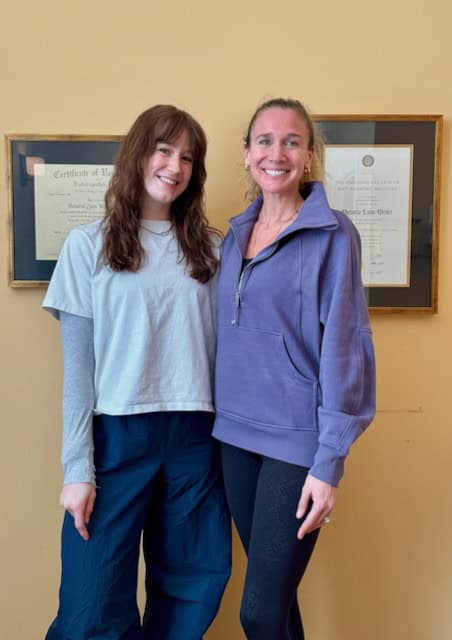
Why Choose Guelph Naturopathic Medical Clinic?
- 20+ years of clinical experience
- Comprehensive, individualized assessment
- Access to expanded laboratory testing when appropriate
- Evidence-informed naturopathic care
- Investigation of nutritional, thyroid, metabolic, and hormonal factors
- Collaborative approach with other healthcare providers
- 4.9-star rating with 200+ Google reviews
- Convenient Guelph location
Are You Experiencing Hair Loss or Thinning Hair?
Female hair loss can appear in different ways. You may notice:
- Increased shedding in the shower or when brushing
- A widening part
- Thinning around the temples or crown
- Reduced hair volume or density
- A noticeably smaller ponytail
- Hair that seems to grow more slowly
- Increased shedding following illness, stress, or weight loss
The pattern, timing, and progression of your hair loss can provide important clues about what may be contributing.
What Can Cause Hair Loss in Women?
There isn’t one single cause of female hair loss. In some women, several factors may be contributing at the same time.
Potential causes and contributing factors include:
- Female pattern hair loss
- Iron or other nutrient deficiencies
- Thyroid dysfunction
- Hormonal changes or imbalances
- PCOS and androgen excess
- Perimenopause and menopause
- Pregnancy and postpartum changes
- Rapid weight loss or restrictive dieting
- Inadequate protein or calorie intake
- Illness, surgery, or significant stress
- Certain medications
- Scalp or autoimmune conditions
- Genetic factors
Identifying the type of hair loss and potential underlying contributors is an important first step in determining the most appropriate treatment.
Comprehensive Bloodwork for Female Hair Loss
Depending on your symptoms and health history, comprehensive bloodwork may help identify factors contributing to hair loss, including:
- Nutrient deficiencies
- Thyroid dysfunction
- Hormonal imbalances
- Iron deficiency
- Blood sugar and metabolic issues
- Inflammation or other underlying health concerns
Testing is individualized based on your symptoms, medical history, and previous bloodwork.
Nutrient Deficiencies and Hair Loss
Healthy hair growth depends on adequate nutrition.
Iron is one of the most important nutrients to consider, particularly in women with heavy menstrual periods, restrictive diets, or a history of low ferritin.
Other nutritional factors may also be important depending on your diet, health history, and symptoms.
Rather than simply recommending a general “hair supplement,” we prefer to identify and address nutritional deficiencies when they are present.
Thyroid Function and Hair Loss
Thyroid disorders can contribute to diffuse hair thinning and excessive shedding.
Hair loss associated with thyroid dysfunction may occur alongside symptoms such as:
- Fatigue
- Feeling unusually cold
- Weight changes
- Constipation
- Dry skin
- Changes in menstrual cycles
- Difficulty concentrating
If thyroid dysfunction is suspected, we can review your previous testing and determine whether additional thyroid assessment may be appropriate.
Hormones and Female Hair Loss
Hormonal changes can influence hair growth throughout a woman’s life.
Hair thinning may sometimes occur with PCOS, androgen excess, postpartum hormonal changes, perimenopause, or menopause.
Hormonal assessment may be particularly helpful when hair loss occurs together with:
- Irregular menstrual cycles
- Acne
- Increased facial or body hair
- Difficulty conceiving
- Other symptoms of hormonal imbalance
Not every woman with hair loss requires hormonal testing. We determine whether it is appropriate based on your symptoms and health history.
Stress, Illness and Sudden Hair Shedding
Sometimes hair loss begins several months after a major physical or emotional stressor.
Illness, surgery, significant stress, rapid weight loss, restrictive dieting, or other changes in health can temporarily disrupt the normal hair-growth cycle and lead to increased shedding.
This type of hair loss is often called telogen effluvium.
Understanding what was happening in the months before your hair loss began can therefore be an important part of your assessment.
Our Approach to Female Hair Loss
There is no single treatment that is appropriate for every woman experiencing hair loss.
Your assessment may include:
- Reviewing the pattern and onset of your hair loss
- Reviewing previous bloodwork
- Assessing diet and nutritional status
- Investigating iron and nutrient deficiencies
- Evaluating thyroid function
- Reviewing menstrual and hormonal health
- Assessing medications and supplements
- Identifying recent illness, stress, or weight changes
- Ordering additional laboratory testing when appropriate
Treatment is then individualized based on your assessment and test results and may include dietary changes, nutritional supplementation, lifestyle strategies, or botanical treatments when appropriate.
If your hair loss appears to require dermatological or medical investigation, we can also recommend appropriate follow-up with your family doctor or dermatologist.
Frequently Asked Questions
What blood tests can be helpful for female hair loss?
Testing depends on your symptoms and health history. We may investigate iron and nutrient status, thyroid function, hormonal factors, blood sugar and metabolic health, and other potential contributors when appropriate.
Can low iron cause hair loss even if I’m not anemic?
Low iron stores may contribute to hair shedding in some women even when hemoglobin is within the normal range. Iron status should be assessed in the context of your symptoms, medical history, and other laboratory findings.
Can thyroid problems cause hair loss?
Yes. Changes in thyroid function can contribute to diffuse hair thinning or excessive shedding. Thyroid assessment may be appropriate when hair loss occurs alongside other symptoms suggestive of thyroid dysfunction.
Can hormone imbalances cause female hair loss?
Hormonal factors can contribute to hair thinning in some women. This may occur with conditions such as PCOS or during hormonal transitions such as postpartum, perimenopause, and menopause.
Why did my hair start shedding months after being sick or stressed?
Hair follicles can respond to significant physical or emotional stress by entering a resting phase. Increased shedding may not become noticeable until several months after the triggering event.
Do you offer comprehensive bloodwork for hair loss?
Yes. We can review your previous testing and determine whether additional bloodwork may be appropriate based on your symptoms and health history.
Should I take supplements for hair loss?
It depends on the cause. Rather than automatically recommending supplements, we prefer to investigate possible contributing factors and correct nutritional deficiencies when identified.
Investigate What’s Contributing to Your Hair Loss
If you’re experiencing persistent hair thinning or excessive shedding, a comprehensive assessment may help identify factors that have been overlooked.
At Guelph Naturopathic Medical Clinic, we’ll review your health history, symptoms, previous testing, and potential contributing factors to develop an individualized plan.
Meet Our Naturopathic Doctors
The Guelph Naturopathic Medical Clinic as three naturopaths that are available help with numerous hormonal issues including PMS and PMDD.

Dr. Victoria Weiler, ND
Dr. Vicky Weiler provides individualized naturopathic care for women experiencing PMS, PMDD and other hormonal concerns, with a focus on nutrition, lifestyle and naturopathic treatment options.

Dr. Kayla Linton, ND
Dr. Kayla Linton has a clinical focus on women’s and reproductive health and works with patients experiencing PMS, menstrual concerns, fatigue, digestive symptoms and nutrient deficiencies.

Dr. Matt Gowan, ND
Dr. Matt Gowan brings over 20 years of clinical experience with a strong background in biochemistry, pharmacology and laboratory interpretation, including assessment of nutritional, metabolic and hormonal factors that may contribute to symptoms.
Email Us
Contact us now to make an appointment.
Disclaimer: This content is subject to change. The information is intended to inform and educate; it does not replace the medical evaluation, advice, diagnosis or treatment by a healthcare professional. © 2026 Guelph Naturopathic Medical Clinic. All rights reserved.